Your First Tree Removal, Explained Simply
A tree is down, leaning or dying. You have never hired anyone for this. That is normal, and it is manageable.
Abclunch Tree Service is a referral service. It connects homeowners in Clearwater and the Clearwater area with independent tree removal providers. Abclunch Tree Service does not cut, haul or grind anything. A local provider does the work and sets the price.
Here is the short version of the process:
- Send a request with your address, the tree type if you know it, and a few photos.
- A provider in our network reviews the details and contacts you.
- You compare written quotes. You are under no obligation to hire.
- You pick a date that suits you, or ask about earlier availability if the tree is a hazard.
Not sure where to begin? Start with the estimate request. It takes a few minutes. It puts your details in front of providers who work near you.
Request Service
If a tree is blocking a driveway or resting on a roof, Request a callback to check provider availability. Many providers can respond quickly to hazard jobs, though schedules vary by provider and by weather.
Plain Answers
What this service is
Abclunch Tree Service is a matching service, not a tree company. You describe the job. Independent providers in our network review it and reply with their terms. That is the full role of Abclunch Tree Service.
The providers are separate local businesses. Each one sets its own prices, schedule and methods. You hire the provider directly if you accept a quote.
What providers can do
Three jobs cover most requests:
- Tree removal. Cutting a tree down in sections or whole, then hauling away the debris if the quote includes it.
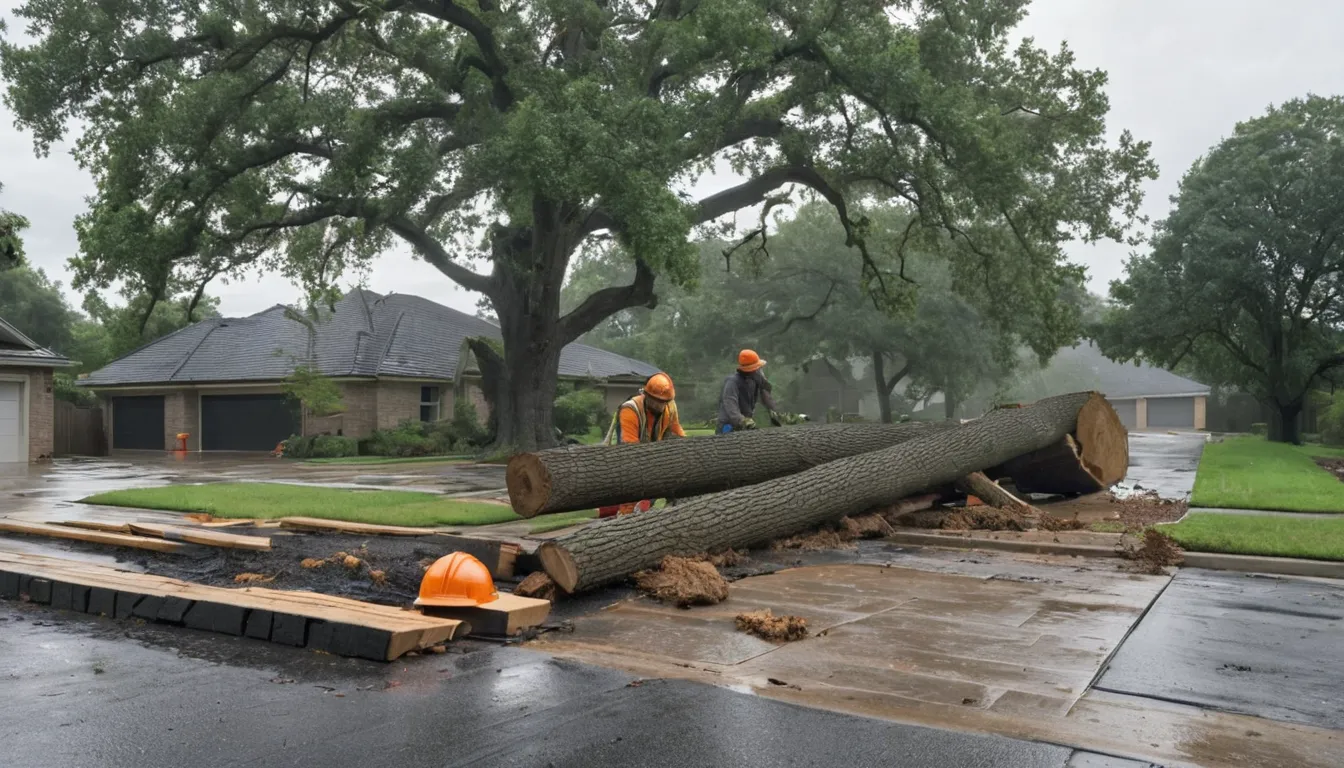
- Emergency tree removal. Clearing a fallen or dangerously damaged tree, often after a storm.
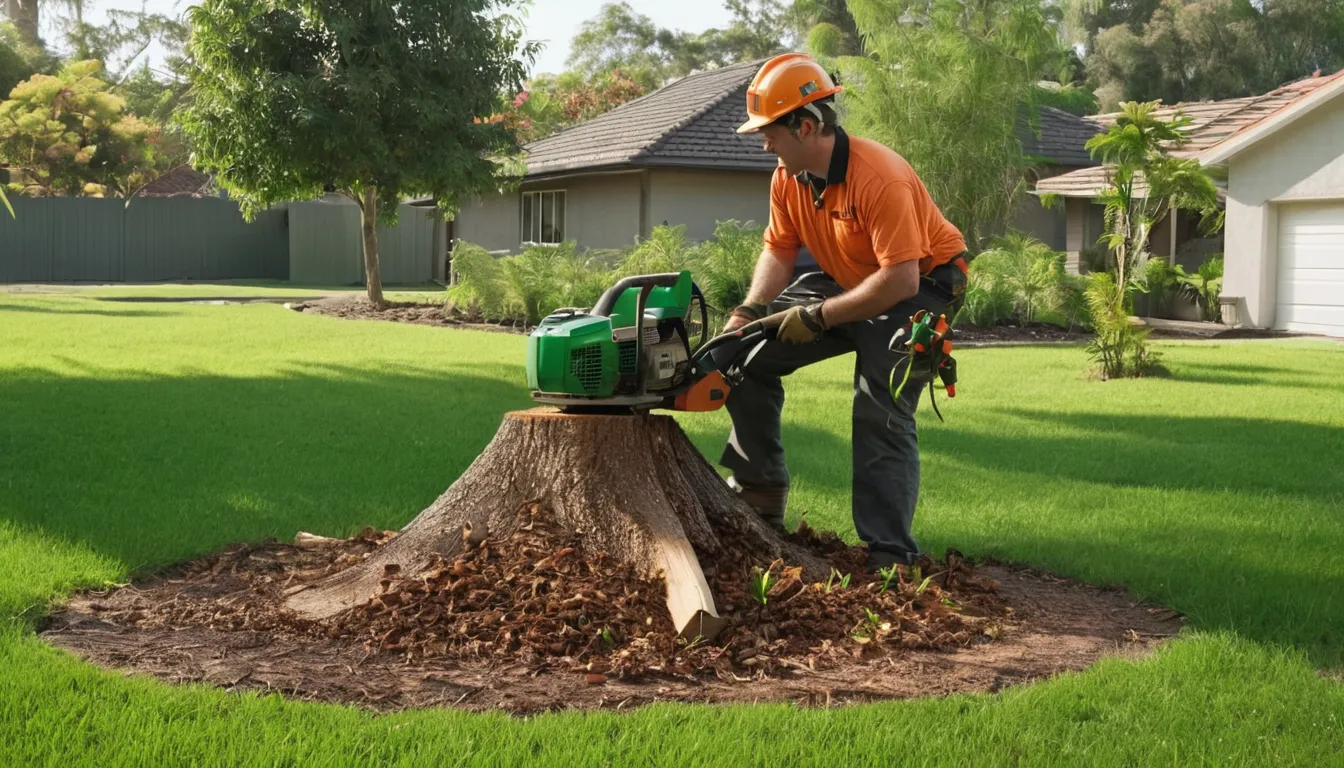
- Stump grinding. Grinding the stump below ground level with a machine so the spot can be replanted or leveled.
Ask each provider what is included. Cleanup and hauling are sometimes priced separately.
What you do
You have three jobs. Describe the tree. Compare the quotes. Choose the provider you trust. Photos help a lot. So does a note about access, such as a locked gate, a narrow side yard or a pool screen near the tree.
What it may cost
Prices vary widely. In the U.S., a small tree can run a few hundred dollars. A large tree near a house or power lines can run well into the thousands. Stump grinding is usually priced separately and often costs a few hundred dollars. Access, height, tree condition and debris volume all move the number. Get a written quote before any work starts.
Where Providers Work Locally
Providers in our network serve Clearwater and the wider the Clearwater area. That includes older neighborhoods with mature canopy and newer subdivisions where trees are still young. It also includes condo communities, where the association may need to approve work first.
The local climate shapes the work. Summer storms arrive almost daily. Hurricane season runs from June to November. High humidity speeds up decay, so a tree that looks fine from the street can be weak inside. Fast-growing species also put on heavy limbs that overhang tile and shingle roofs.
Most homes here are concrete block on a slab. That helps in a storm, but roofs, screen enclosures, fences and cars are still exposed. Providers know how to work around these, and they can often help document damage for an insurance claim.
When you request an estimate, mention your street access, any overhead lines, and whether the tree is near a structure. Providers use that to decide what equipment to bring.
Request Service
Want to talk through availability first? Request a callback to check provider availability in your part of the Clearwater area. Hours and schedules vary by provider.
What Every First-Time Homeowner Should Know
Check the tree before you call anyone
Look for cracks in the trunk, leaning that is new, dead branches, mushrooms at the base, or soil heaving near the roots. Take photos from a safe distance. Providers use them to judge urgency and price.
If a tree just fell
Stay calm and stay outside the danger zone. Keep everyone away from the tree. Treat any wire near it as live. Report downed lines to the utility or emergency services. Do not touch the tree if it contacts a line.
Document damage early
Photograph the tree, the damage and the surrounding area before anything is moved. Some policies may cover sudden damage, so check your policy. Providers can often help document damage for a claim.
Storm tree clearance
After a big storm, many homeowners need help at once. Providers triage by danger first: trees on homes, trees across roads and driveways, then yard debris. Say clearly which one you have.
Permits and associations
Some towns require a permit to remove certain trees. Condo and subdivision associations may also have rules. Ask the provider what applies. Check before work starts, not after.
Questions to ask a provider
- Is the quote in writing, and what does it include?
- Is cleanup and hauling part of the price?
- Does the provider carry insurance? Ask to see proof.
- Who handles the stump?
Why stump grinding matters
A leftover stump attracts termites and pests in humid weather. It can also sprout, trip people and block new planting. Grinding removes it below the surface. Ask for it in the same quote so the visit covers both jobs.
Plan before the season
Hurricane season is easier when weak trees are handled early. Trim or remove trees that are dead, split or too close to the roof before the first named storm.
Weigh the quotes fairly
Compare scope, not just price. A low number that leaves out cleanup may cost more in the end.
Request Your Estimate
Ready to move forward? Send your request with the address, a few photos and a short description. Providers in our network will review it and reply with their terms. You compare the quotes and decide. There is no obligation.
Request Service
Prefer to talk first? Request a callback to check provider availability for your tree.
Request Service